Core lookups as secure APIs
Customer, policy, account, order or stock lookups from a mainframe, IBM i or SAP system, published as documented, versioned and secured APIs.
API wrappers and integration
You do not have to replace a core system before you can build on it. A secure API layer lets new channels, partners and AI use it today, and makes the eventual replacement smaller and safer.
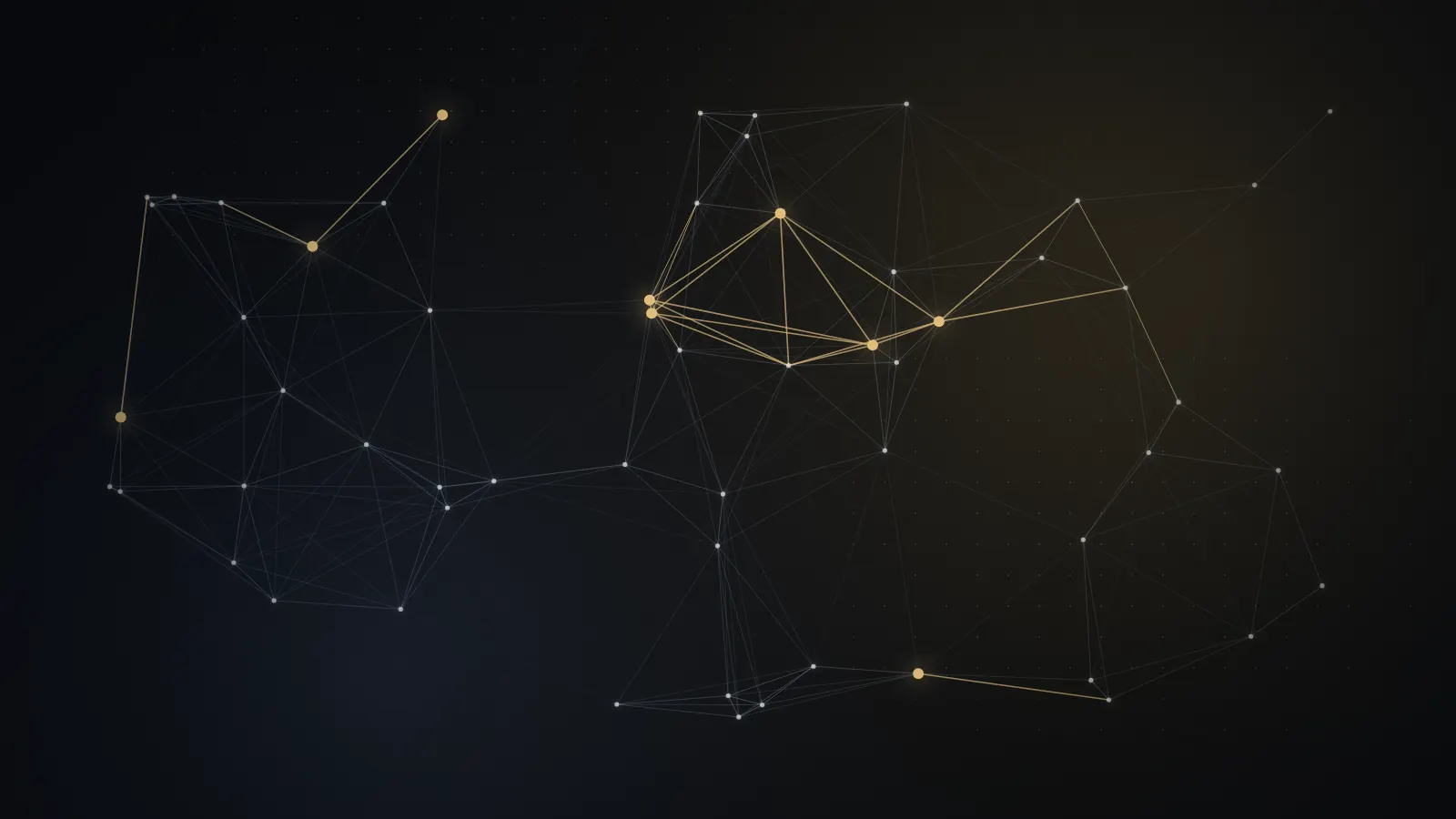
A legacy API wrapper is a layer of modern, documented interfaces, usually REST APIs or event streams, placed in front of an older system such as a mainframe, an IBM i application, SAP ECC or a legacy database. New applications call the wrapper instead of the old system directly.
The wrapper handles authentication, translation between old and new data formats, validation, rate limiting and logging. Over time, functions behind it can be moved to new systems one by one without changing the applications that use them, an approach known as the strangler fig pattern.
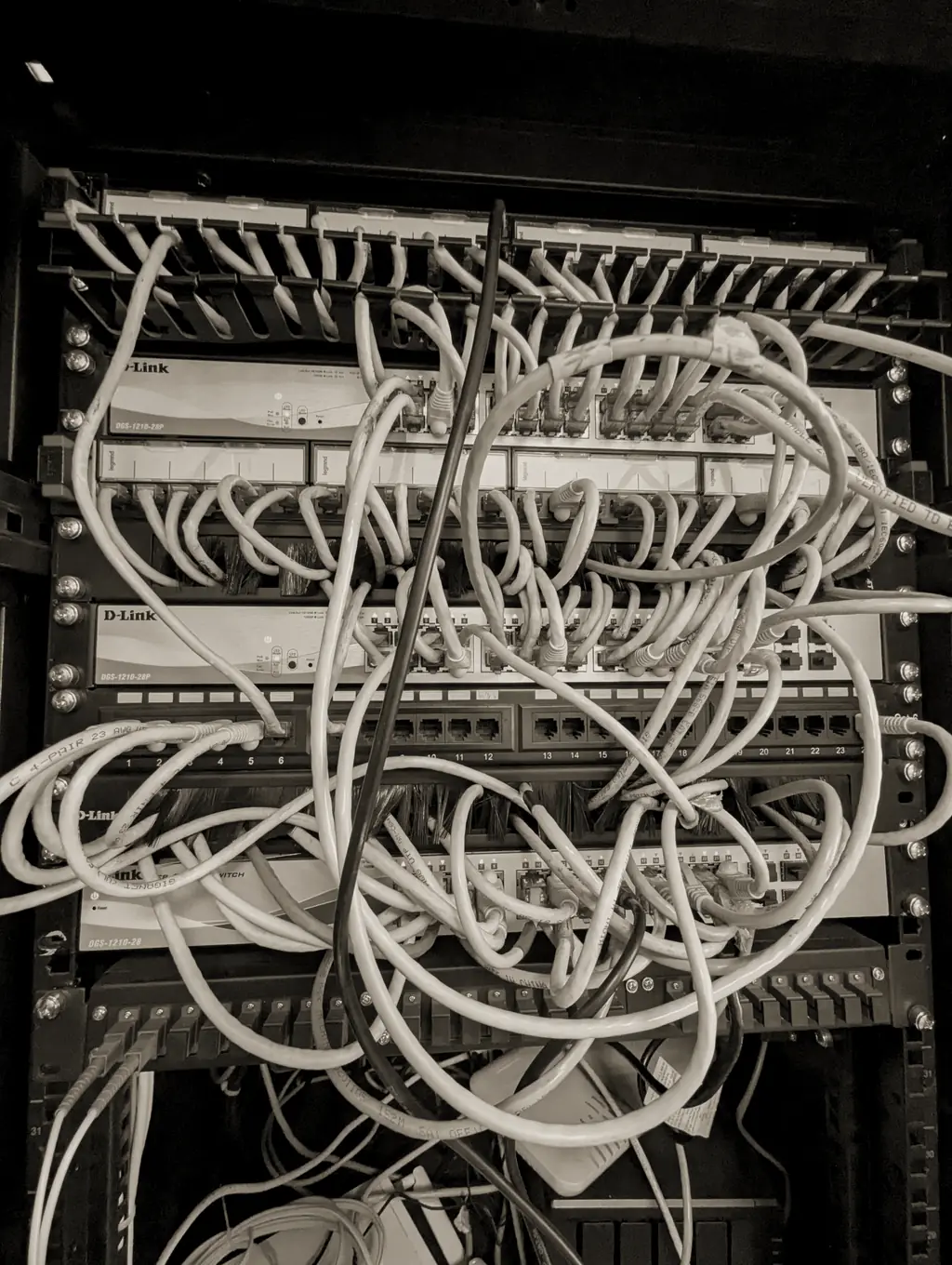
Point-to-point integrations grow into a tangle that makes every change risky. A wrapper replaces the tangle with one controlled front door.
Illustrative examples. Your first APIs are chosen in the Migration Blueprint for the value they unlock.
Customer, policy, account, order or stock lookups from a mainframe, IBM i or SAP system, published as documented, versioned and secured APIs.
Changes in an old database published as events, so other systems react in near real time instead of polling.
An external API with keys, quotas and audit logs, so partners stop asking for file drops.
Interfaces moved to SAP Integration Suite or a modern integration platform before PI/PO 7.5 leaves mainstream maintenance.
Governed, scoped APIs that let an AI assistant or agent use legacy data without direct access.
Every caller identified, with your identity provider where possible.
Each consumer sees only the operations and fields it needs.
Inputs checked against a schema before they reach the old system.
Quotas protect the legacy system from new traffic and abuse.
Every call recorded for audit, troubleshooting and capacity planning.
Versioned specifications your developers and partners can build against.
A five-day Migration Blueprint maps the integrations and picks the APIs with the biggest payoff, from A$9,500 and credited in full if you go ahead within 60 days. Then a fixed-price 30-day sprint.
from A$50,000
It should not. Calls are measured in testing against the old system's capacity, and caching or limits protect it from new traffic. Monitoring shows load on both sides from day one.
It can be if done carelessly. A wrapper is often more secure than the access it replaces: every call is authenticated, authorised, validated, rate limited and logged, and the old system is never exposed directly to the internet.
The applications that use the wrapper do not change. Functions behind it are switched to the new system one at a time, which is what makes the eventual replacement smaller and safer.
Yes, and it is one of the safest ways to do it. AI tools get governed, read-only or tightly scoped access through the same controls as every other consumer, rather than direct database access.